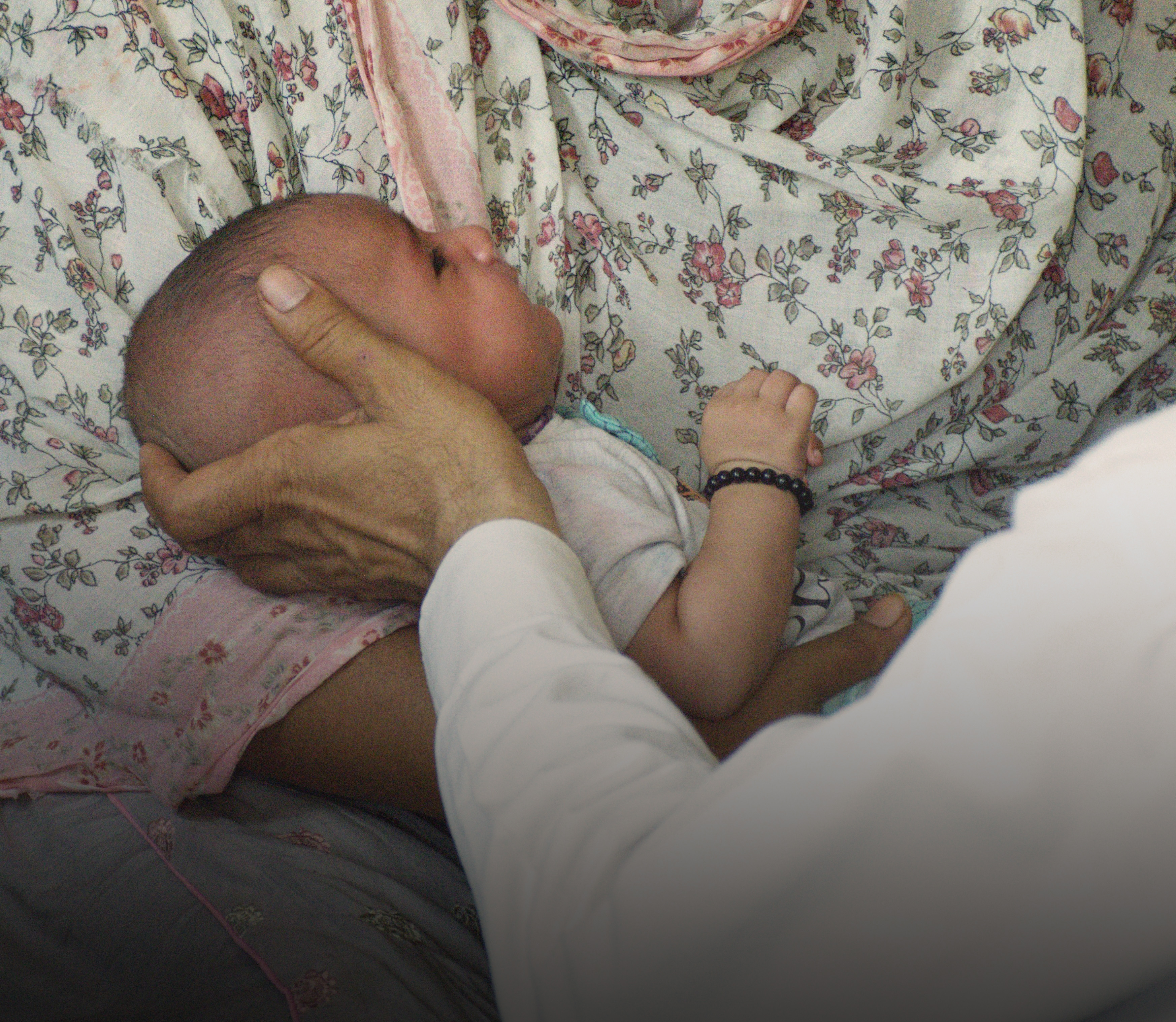
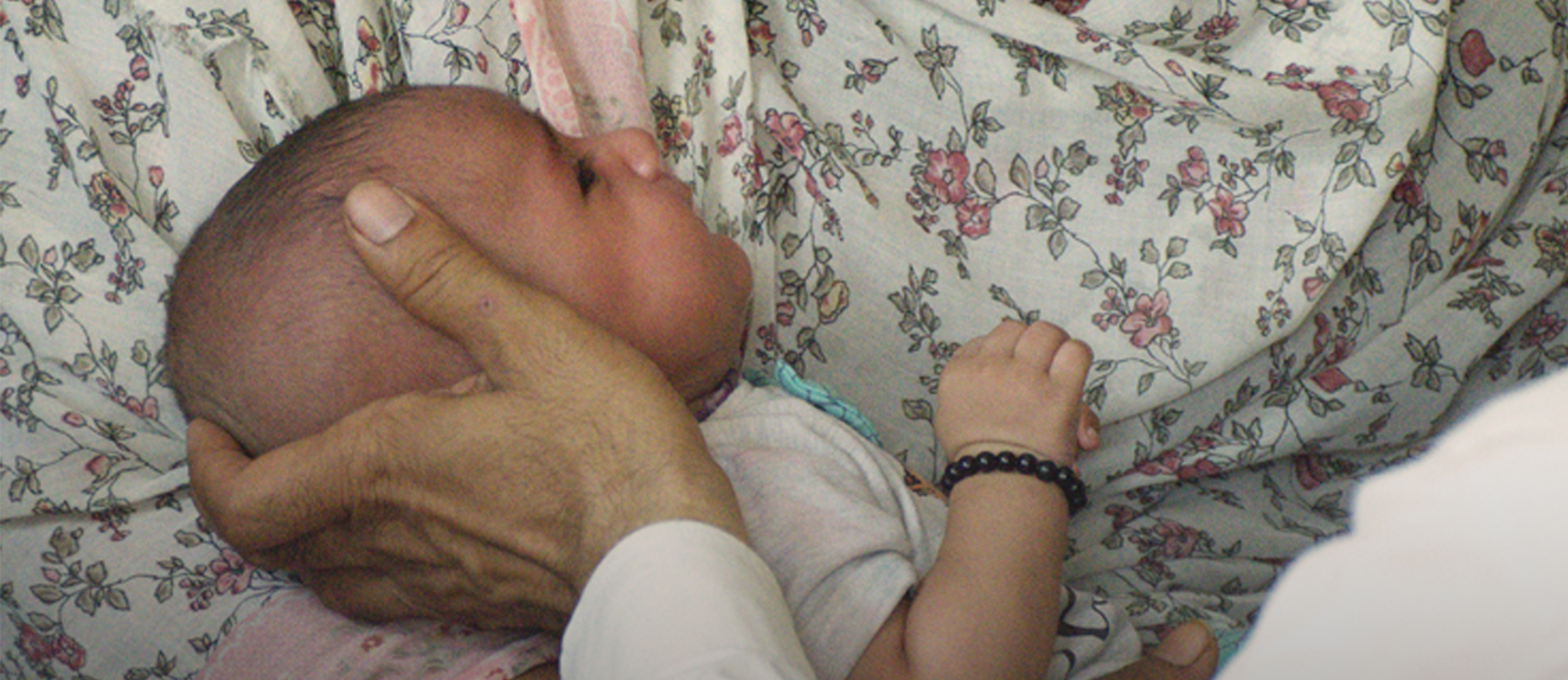
A mother holds her small newborn, counting each breath and hoping the next one comes. Her baby is one of the 15 million born too soon each year worldwide. Prematurity remains the leading cause of newborn deaths, claiming nearly one million lives annually. Behind each of these statistics is a story repeated in hospitals and homes: a baby struggling to survive, a mother desperate for help, and a system that is often too constrained to offer support.
Nov 17, 2025 | Blog Post | By Fatima Miraj
World Prematurity Day:
A Call to Protect the Smallest Newborns
Over the past several years, my work across low- and middle-income countries has strengthened my global perspective on this challenge. One thing is clear: a preterm baby’s survival is heavily influenced by the social and systemic conditions they are born into, often overriding or intensifying the initial biological risks.
This imbalance is starkly reflected in global outcomes: 90% of extremely premature babies die in low-income countries, compared with only 10% in high-income countries.
This disparity mirrors weaknesses across the continuum of maternal and newborn care, from quality antenatal care and early risk detection to skilled support at birth, adequate neonatal care, and consistent follow-up in the postnatal period.
In many low-resource settings, these pathways are constrained by poverty, distance, and the difficult choices families must make when the cost, time, and uncertainty of care are overwhelming. Seeking care is often not a matter of indifference; it is one of survival. Families weigh limited resources, competing responsibilities, and the fear that even specialized care may not save their child.
The vulnerability extends into the system itself. Many preterm babies are never even counted in official records. When births and deaths are invisible in the system, they remain invisible in our response, which too often stalls at the policy level.
During my discussions with national policymakers in Ethiopia, I saw these gaps firsthand. Strong policies exist on paper, but their implementation remains weak. This disconnect is reflected directly in system failures: health facilities are ill-equipped, neonatal units are overstretched, staff and supplies are scarce, and families face persistent obstacles in seeking care. And underlying it all are cultural misconceptions, including beliefs that preterm babies are unlikely to survive or grow into healthy children. Such perceptions often result in prioritizing maternal survival alone, leaving preterm babies at the end of the line. These intertwined structural, economic, and cultural constraints reflect systemic weaknesses shared across many low-resource settings.
Fortunately, evidence shows that many preterm deaths are preventable using simple, low-cost interventions, such as Kangaroo Mother Care, early initiation of breastfeeding, thermal protection, infection prevention, and community-based follow-up. Translating this evidence into reality requires deliberate action. This includes:
- 🫶 making life‑saving care accessible;
- 📈 improving the quality and use of data on preterm births;
- 👩⚕️ investing in neonatal training among health workers;
- 🏡 building family-centred programs that enable mothers to continue care at home; and
- 🧩 integrating preterm newborn care more intentionally into maternal and child health portfolios at every level of the health system.
💜 Let this World Prematurity Day be a reminder that every baby deserves an equal chance to survive, irrespective of when, where, and whom they are born to. The science is clear, the policies exist, and the solutions are known. What is needed now is the collective commitment to make preterm survival a global priority so that being born early no longer means being born without a chance.