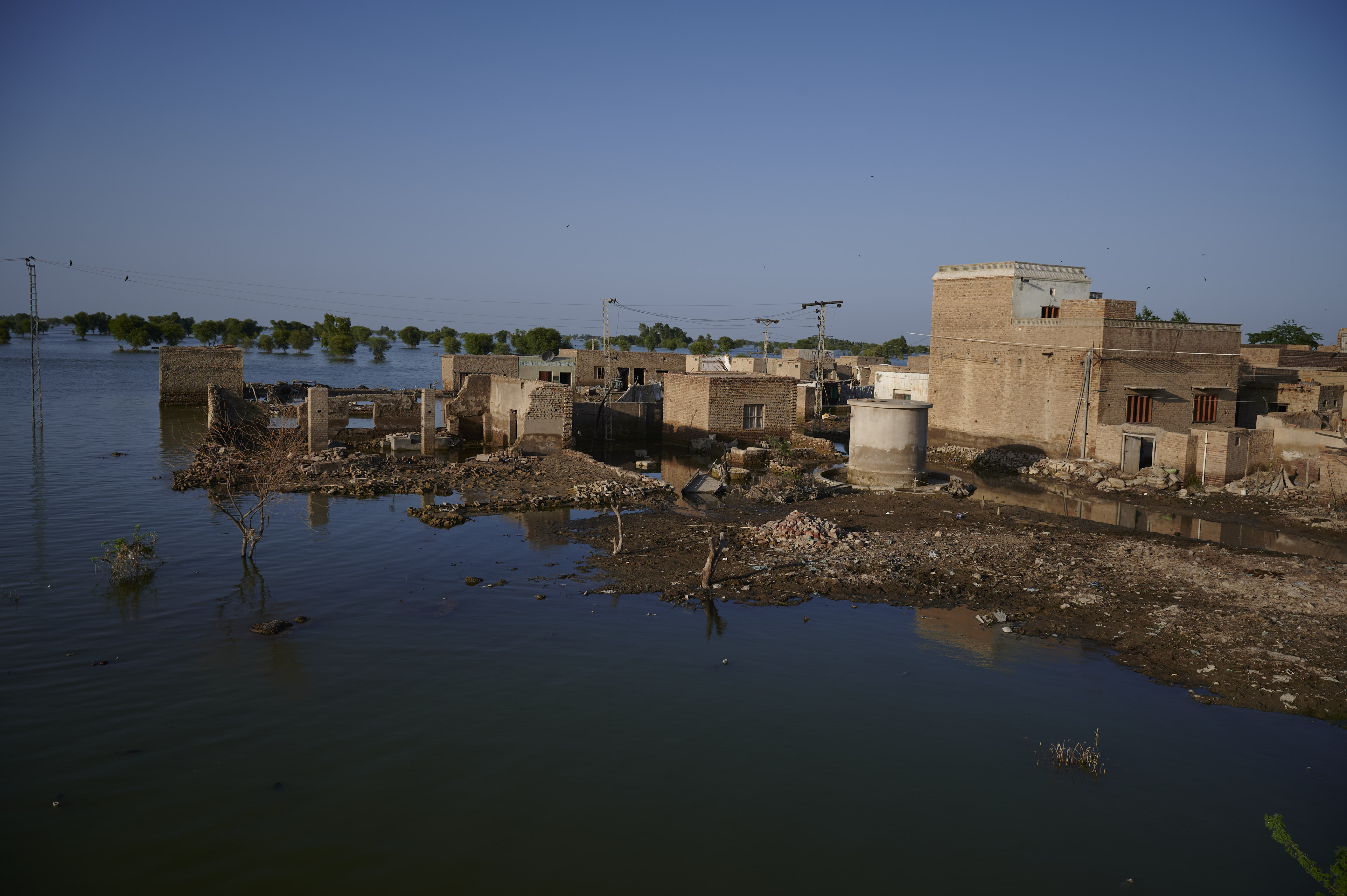
For most of my life, I believed the brighter the turmeric, the better the quality.
Jan 12, 2026 | Blog Post | By Sundus Iftikhar
Bright Yellow Isn’t Better
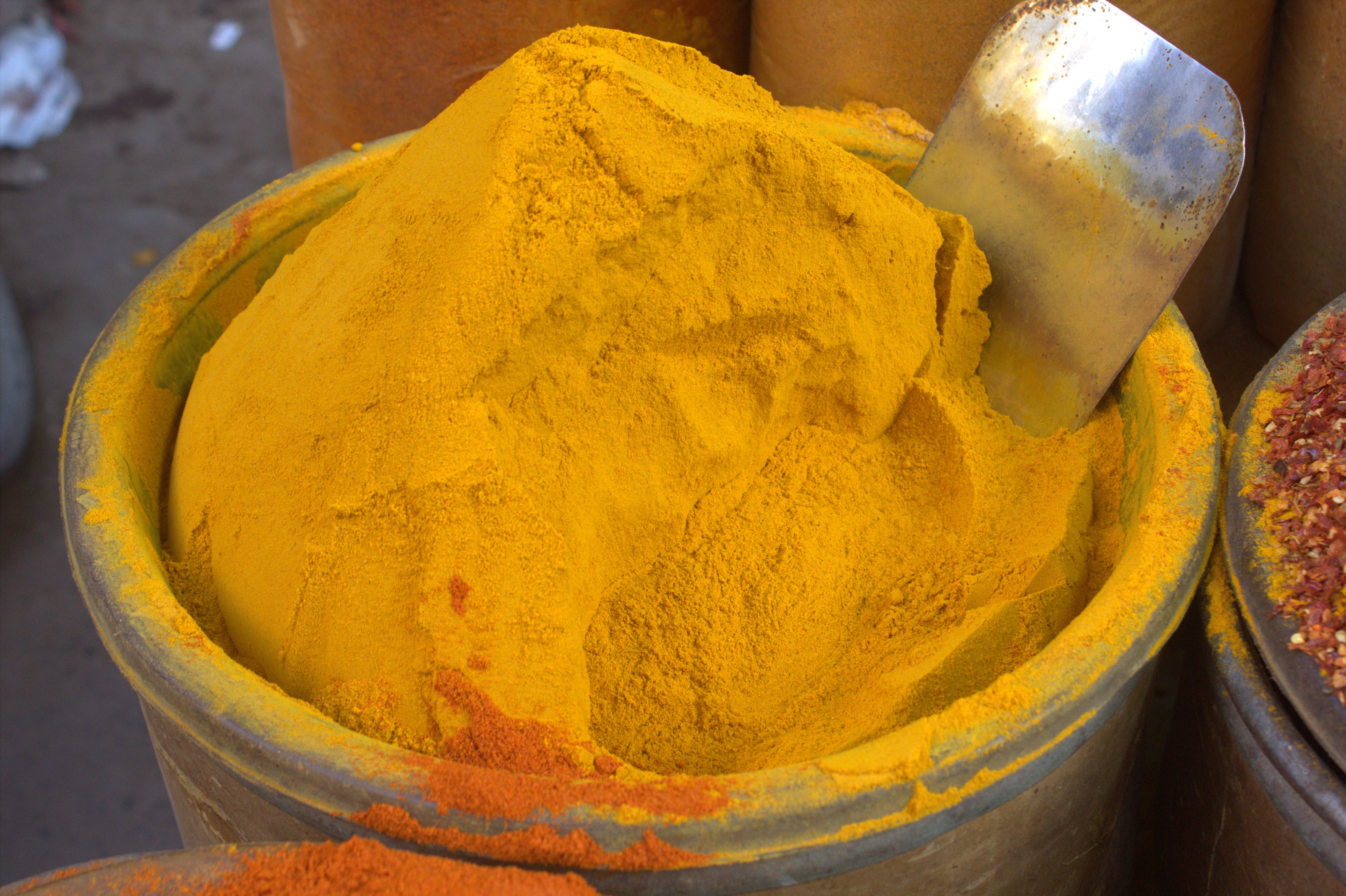
At the shop, I always reached for the most vibrant yellow powder. I assumed it meant freshness and purity. I never questioned why a root grown in soil could look unnaturally bright.
I was wrong.
Through our recent survey of turmeric consumers and retailers in Karachi and Hyderabad, I learned that the colour we associate with “quality” is often artificially enhanced. Retailers reported that turmeric powder is frequently mixed with substances to improve appearance, including chickpea flour, rice flour, and pigments.
One of the most concerning pigments used in parts of South Asia is lead chromate, added to intensify colour. Lead is a potent neurotoxin with no safe level of exposure, particularly for children. Even low-level exposure accumulates over time and harms brain development, behaviour, and the nervous system.
This is not an isolated issue. Evidence from South Asia has identified turmeric samples containing 1,000–2,000 µg/g of lead, far exceeding Pakistan’s permissible limit of 5 µg/g. Globally, lead exposure is estimated to account for 33 million disability-adjusted life years lost each year, much of it driven by repeated, low-level dietary exposure.
When I realised this, it hit close to home.
All those times I chose the “yellowest” turmeric, I may have been bringing a slow poison into my own kitchen. Not knowingly. Just trusting what I saw.
Now I know better.
Real turmeric isn’t neon yellow.
It has a deep mustard tone and an earthy smell. It doesn’t compete on brightness.
The takeaway for me is simple, and worth sharing.
Sometimes what looks best isn’t safest. And as consumers, small choices. asking questions, preferring authenticity over appearance. can quietly reduce risk. But lasting change will require better awareness, stronger market oversight, and supply chains that reward safety over shine.